
As parents transition their infants to solid foods, the choice of dinnerware becomes a pivotal decision. The market is flooded with plastic alternatives, but savvy caregivers are increasingly turning toward the baby bamboo bowl with suction. This innovative feeding tool combines the sustainability of natural bamboo bowl construction with the practical necessity of a stay-put silicone base. In this comprehensive guide, we will explore why bamboo has become the gold standard for eco-conscious households and how to choose the right reusable bamboo bowl for every member of your family.
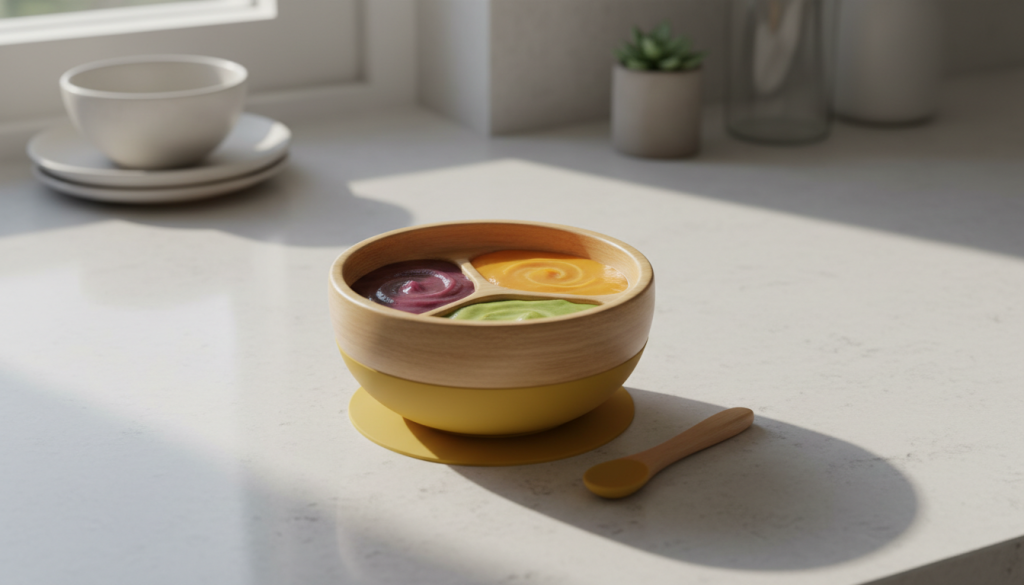
Why Choose a Baby Bamboo Bowl with Suction for Your Little One?
The primary challenge of baby-led weaning (BLW) is the inevitable “gravity test”—the moment a toddler decides to see what happens when their plate hits the floor. A baby bamboo bowl with suction solves this problem by utilizing a food-grade silicone ring that adheres firmly to highchair trays and dining tables. This allows infants to focus on developing their fine motor skills and self-feeding without the frustration of a sliding dish.
Beyond the suction capability, the material itself is a significant upgrade from plastic. Unlike petroleum-based products, a natural bamboo bowl is free from BPA, phthalates, and lead. Bamboo is naturally antimicrobial and antibacterial, providing a hygienic surface for your child’s meals. When you invest in a baby bamboo bowl with suction, you are choosing a product that prioritizes both your child’s safety and the planet’s health.
The Environmental Impact: Why an Eco Friendly Bamboo Bowl is the Superior Choice
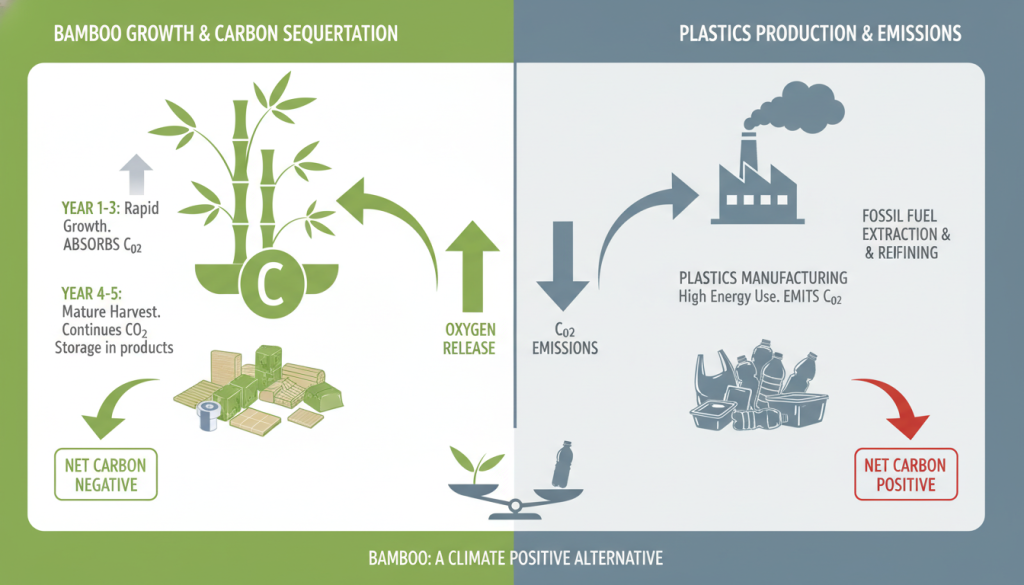
Sustainability is no longer a niche concern; it is a lifestyle requirement for the modern consumer. Choosing an eco friendly bamboo bowl contributes to a circular economy. Bamboo is one of the fastest-growing plants on Earth, requiring no pesticides and very little water to thrive. This makes it a highly renewable resource compared to hardwoods used in traditional furniture or the fossil fuels required for plastic production.
Furthermore, a biodegradable bamboo bowl offers a guilt-free end-of-life cycle. While plastic dinnerware can take hundreds of years to decompose in a landfill, high-quality bamboo products are compostable. By opting for reusable bamboo bowl sets, families significantly reduce their daily plastic footprint, ensuring a cleaner world for the very children using these bowls today.
Beyond the Highchair: Exploring the Bamboo Salad Bowl and Large Bamboo Bowl Varieties
While the baby bamboo bowl with suction is a nursery essential, the utility of bamboo extends to the entire kitchen. A bamboo salad bowl is a staple for those who appreciate organic aesthetics and durability. Because bamboo is lightweight yet stronger than many hardwoods, a large bamboo bowl is perfect for tossing heavy greens or serving family-style pasta dishes.
Many homeowners prefer a bamboo serving bowl for entertaining because of its unique grain patterns and warm tones. Whether you are looking for a bamboo fruit bowl to sit as a centerpiece on your island or a bamboo mixing bowl set for your baking needs, the material’s versatility is unmatched. These items are not just functional; they are decorative pieces that bring a touch of nature into the home.
Craftsmanship Matters: The Difference Between a Spun Bamboo Bowl and Pressed Bamboo
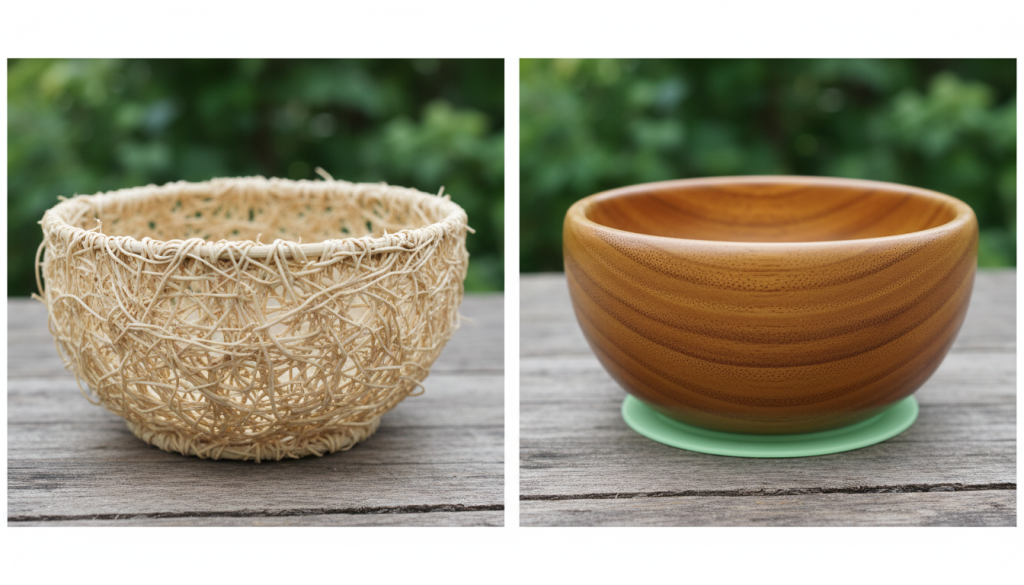
When shopping for bamboo dinnerware, you may encounter the term spun bamboo bowl. This refers to a traditional Vietnamese crafting technique where thin strips of bamboo are coiled and shaped by hand. These bowls are often lightweight and possess a beautiful, artisanal texture. They are frequently used as a bamboo decorative bowl rather than for heavy liquid use, though many are finished with food-safe lacquers.
In contrast, most baby bamboo bowl with suction products are made from “pressed” or “solid” bamboo. This process involves compressing bamboo fibers or slats under high pressure to create a dense, durable material that can withstand the rigors of daily use. Understanding these differences helps you choose the right natural bamboo bowl for your specific needs—whether it’s for a heavy bamboo soup bowl or a delicate bamboo cereal bowl.
Functional Dining: From Bamboo Cereal Bowls to Bamboo Pasta Bowls
The versatility of bamboo dinnerware means there is a specific shape for every meal. A bamboo cereal bowl is typically designed with deeper sides to prevent spills during breakfast, while a bamboo pasta bowl features a wider, shallower profile to accommodate long noodles and sauces. For those who enjoy Asian cuisine, a bamboo soup bowl provides excellent insulation, keeping your broth warm while remaining cool to the touch on the exterior.
If you are looking to overhaul your kitchen cabinets, a bamboo mixing bowl set is an excellent starting point. These sets often include various sizes, from a large bamboo bowl for bread dough to smaller vessels perfect for whisking dressings. Because bamboo does not react with acidic foods, it is an ideal material for marinating or mixing citrus-heavy salads in a bamboo salad bowl.
Maintenance and Care: How to Keep Your Natural Bamboo Bowl in Pristine Condition
To ensure your baby bamboo bowl with suction and reusable bamboo bowl collection lasts for years, proper care is essential. Bamboo is a natural fiber that can warp or crack if exposed to extreme temperatures or prolonged moisture. Follow these professional tips for maintenance:
- Hand Wash Only: Never put a natural bamboo bowl in the dishwasher. The high heat and harsh detergents will strip the natural oils and cause the wood to splinter.
- Avoid the Microwave: Bamboo is not microwave-safe. The rapid heating can cause the moisture within the bamboo fibers to expand, leading to cracks.
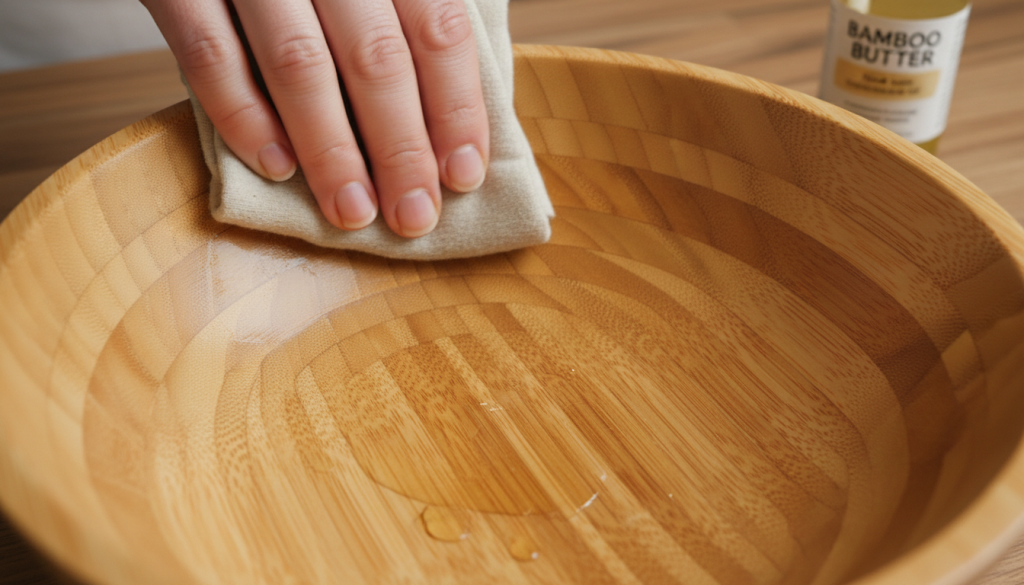
- Oil Regularly: Just like a wooden cutting board, your bamboo serving bowl benefits from an occasional rub with food-grade mineral oil or beeswax. This keeps the material hydrated and vibrant.
- Dry Immediately: After washing with mild soap and warm water, wipe your bamboo cereal bowl dry with a clean towel rather than letting it air dry in a rack.
The Gift of Sustainability: Why Bamboo Bowl Sets Make Perfect Gifts
If you are attending a baby shower or a housewarming party, a baby bamboo bowl with suction or a high-end bamboo salad bowl makes for a thoughtful, sophisticated gift. It demonstrates a commitment to health and environmental responsibility. Many brands offer a bamboo mixing bowl set packaged in recycled materials, further emphasizing the eco-friendly message.
For weddings, a large bamboo bowl paired with matching servers is a timeless choice. It fits into almost any kitchen aesthetic, from modern minimalist to rustic farmhouse. Because bamboo is biodegradable and eco friendly, you are giving a gift that is as kind to the earth as it is beautiful to the recipient.
Frequently Asked Questions About Bamboo Bowls
Are bamboo bowls safe for babies?
Yes, a baby bamboo bowl with suction is generally much safer than plastic. It is free from chemical leaching. However, ensure the bowl is made from 100% natural bamboo and uses food-grade silicone for the suction base. Avoid “bamboo fiber” bowls that are mixed with melamine resin, as these are not as heat-stable or eco-friendly.
Can I use a bamboo bowl for hot soup?
A bamboo soup bowl is excellent for hot liquids. Bamboo has natural insulating properties, which helps keep the food warm while preventing the bowl from becoming too hot to hold. Just remember not to use it in the microwave to reheat the soup.
How long does a bamboo bowl last?
With proper care—specifically hand washing and occasional oiling—a reusable bamboo bowl can last for several years. Even a baby bamboo bowl with suction can be used long after the child has outgrown the need for the suction base, simply by removing the silicone ring.
Is bamboo better than wood for bowls?
Bamboo is often preferred over traditional wood because it is more sustainable (growing faster) and is naturally more resistant to water and bacteria. A natural bamboo bowl is also typically lighter than an equivalent bowl made from oak or walnut, making it easier for children to handle.
Conclusion: Embracing the Bamboo Revolution
The transition to a baby bamboo bowl with suction is more than just a trend; it is a conscious choice to move away from the “disposable” culture of plastic. Whether you are looking for a large bamboo bowl for family gatherings, a bamboo fruit bowl for your counter, or a biodegradable bamboo bowl for your toddler’s first bites, bamboo offers a unique blend of durability, safety, and elegance.
By integrating eco friendly bamboo bowl options into your home, you are supporting sustainable agriculture and protecting your family from potentially harmful chemicals. From the spun bamboo bowl crafted by artisans to the high-tech suction bases of modern baby gear, bamboo is truly the material of the future for the heart of the home: the kitchen.