Posted on Leave a comment

The Ultimate Guide to Bamboo Mixing Bowls: Sustainable, Stylish, and Functional

In the realm of kitchen essentials, the bamboo mixing bowl stands out as a versatile and eco-conscious choice. More than just a container for combining ingredients, it represents a commitment to sustainability, a touch of natural elegance, and surprising durability. Whether you’re a seasoned chef or a novice baker, understanding the benefits and nuances of a bamboo mixing bowl can elevate your culinary experience. This comprehensive guide delves into everything you need to know, from selecting the right bowl to caring for it properly and even inspiring recipes to try.

A beautifully styled kitchen counter with a set of three bamboo mixing bowls of varying sizes nested together. Fresh herbs and a wooden spoon are nearby.

Why Choose a Bamboo Mixing Bowl? Unveiling the Advantages

The popularity of the bamboo mixing bowl stems from a confluence of desirable qualities. Let’s explore the key reasons why it’s becoming a kitchen staple:

  • Sustainability: Bamboo is a rapidly renewable resource, growing much faster than hardwood trees. This makes bamboo mixing bowl a far more sustainable choice than bowls made from traditional timber. Choosing bamboo helps reduce deforestation and supports environmentally responsible practices.
  • Durability: Despite its lightweight nature, bamboo is surprisingly strong and durable. A well-crafted bamboo mixing bowl can withstand daily use and resist cracking or warping.
  • Natural Beauty: The warm, natural tones and smooth texture of bamboo add a touch of rustic elegance to any kitchen. A bamboo mixing bowl is not only functional but also aesthetically pleasing.
  • Food Safety: Bamboo is naturally antimicrobial and non-toxic, making it a safe and hygienic material for food preparation. Unlike some plastics, it won’t leach harmful chemicals into your ingredients.
  • Lightweight and Easy to Handle: Compared to glass or ceramic bowls, a bamboo mixing bowl is lightweight and easy to handle, even when filled with ingredients.
  • Gentle on Utensils: Bamboo is less likely to scratch or damage your delicate cookware, making it a great choice for mixing with metal utensils.

Selecting the Perfect Bamboo Mixing Bowl: A Buyer’s Guide

With a growing market for bamboo mixing bowl, it’s essential to consider several factors before making a purchase:

  • Size: Bamboo mixing bowl are available in a variety of sizes, from small bowls for whisking eggs to large bowls for kneading dough. Consider your typical cooking and baking needs when selecting the appropriate size. A set of nested bowls offers versatility for different tasks.
  • Construction: Look for bowls made from solid bamboo or laminated bamboo strips. Solid bamboo bowls are generally more durable, while laminated bowls may be more affordable. Ensure the bowl is well-constructed with smooth edges and a stable base.
  • Finish: Most bamboo mixing bowl are finished with a food-safe sealant to protect the wood and prevent staining. Check the product description to ensure the sealant is non-toxic and suitable for food contact.
  • Design: Bamboo mixing bowl come in various designs, from simple and minimalist to more ornate and decorative. Choose a design that complements your kitchen décor and personal style.
  • Price: The price of a bamboo mixing bowl can vary depending on the size, construction, and brand. Set a budget and compare prices from different retailers to find the best value.
  • Sustainability and Ethical Sourcing: Inquire about the sourcing of the bamboo. Look for brands that prioritize sustainable harvesting practices and fair labor standards. This information is often found on the company’s website or in the product description.

Detailed Comparison of Bamboo Mixing Bowl Sizes and Their Uses

To help you choose the right size of bamboo mixing bowl, here’s a detailed comparison chart:

Size (Diameter) Typical Uses Example Recipes
6-8 inches Whisking eggs, making small batches of dressing, mixing spices Omelets, vinaigrettes, dry rubs
9-11 inches Mixing cake batter, preparing salads, combining ingredients for sauces Chocolate cake, potato salad, pasta sauce
12-14 inches Kneading dough, tossing large salads, marinating meat Bread dough, garden salad, chicken marinade
15+ inches Proofing large batches of dough, serving large salads, preparing food for large gatherings Sourdough bread, family-sized salad, holiday meal prep

Caring for Your Bamboo Mixing Bowl: Maintenance Tips for Longevity

Proper care and maintenance are essential to prolong the life of your bamboo mixing bowl. Follow these tips to keep your bowl in top condition:

  • Hand Wash Only: Avoid placing your bamboo mixing bowl in the dishwasher, as the heat and harsh detergents can damage the wood. Wash it by hand with warm water and mild soap.
  • Dry Thoroughly: After washing, dry the bowl thoroughly with a clean towel. Do not let it air dry, as this can cause warping.
  • Oil Regularly: To prevent the wood from drying out and cracking, oil your bamboo mixing bowl regularly with a food-safe mineral oil or beeswax polish. Apply a thin coat of oil and let it soak in for a few hours before wiping off the excess.
  • Avoid Extreme Temperatures: Do not expose your bamboo mixing bowl to extreme temperatures, such as placing it near a stove or in direct sunlight.
  • Store Properly: Store your bamboo mixing bowl in a dry, well-ventilated area. Avoid storing it in a damp or humid environment, as this can promote mold growth.
  • Address Stains Promptly: If your bowl becomes stained, try scrubbing it gently with a paste of baking soda and water. For stubborn stains, you may need to use a mild bleach solution, but be sure to rinse the bowl thoroughly afterward.

Creative Culinary Uses: Recipes Perfect for Your Bamboo Mixing Bowl

A bamboo mixing bowl is a versatile tool for a wide range of culinary creations. Here are a few recipe ideas to inspire you:

  • Sourdough Bread: The large size of a bamboo mixing bowl makes it ideal for kneading and proofing sourdough bread dough. The natural warmth of the bamboo can also help to promote fermentation.
  • Salads: A bamboo mixing bowl is perfect for tossing large salads. The smooth surface of the bamboo won’t bruise delicate greens, and the natural beauty of the bowl makes it a stylish serving dish.
  • Marinades: Use a bamboo mixing bowl to marinate meat, poultry, or vegetables. The non-reactive surface of the bamboo won’t interact with acidic marinades.
  • Cake Batter: A bamboo mixing bowl is a great choice for mixing cake batter. The lightweight design makes it easy to handle, and the smooth surface ensures even mixing.
  • Homemade Dressings: Whip up a batch of homemade salad dressing in a small bamboo mixing bowl. The natural beauty of the bowl makes it a stylish serving container.
Close-up shot of a person kneading sourdough bread dough in a large bamboo mixing bowl, with flour dusting the surface.

Addressing Common Concerns: Troubleshooting Guide

Even with proper care, you may encounter some common issues with your bamboo mixing bowl. Here’s a troubleshooting guide to help you address them:

  • Staining: Staining is a common issue with bamboo mixing bowl, especially when used with foods that are highly pigmented. To prevent staining, avoid using the bowl with foods like beets, berries, or turmeric. If your bowl does become stained, try scrubbing it gently with a paste of baking soda and water.
  • Warping: Warping can occur if a bamboo mixing bowl is exposed to extreme temperatures or humidity. To prevent warping, avoid placing the bowl in the dishwasher or near a stove. Store it in a dry, well-ventilated area.
  • Cracking: Cracking can occur if the wood dries out. To prevent cracking, oil your bamboo mixing bowl regularly with a food-safe mineral oil or beeswax polish.
  • Mold Growth: Mold can grow on bamboo mixing bowl if they are stored in a damp or humid environment. To prevent mold growth, store your bowl in a dry, well-ventilated area. If you notice mold growth, clean the bowl with a bleach solution and allow it to dry completely.

The Environmental Impact: Bamboo as a Sustainable Choice

Choosing a bamboo mixing bowl is not only beneficial for your kitchen but also for the environment. Bamboo is a rapidly renewable resource that requires minimal water and pesticides to grow. It also helps to sequester carbon dioxide from the atmosphere, making it a sustainable alternative to traditional timber. By choosing bamboo, you’re making a conscious decision to support environmentally responsible practices and reduce your carbon footprint.

[IMAGE_PROMPT: A lush bamboo forest with sunlight filtering through the tall stalks, emphasizing the renewable nature of the resource.]

Conclusion: Elevate Your Culinary Experience with a Bamboo Mixing Bowl

The bamboo mixing bowl is more than just a kitchen tool; it’s a symbol of sustainability, style, and functionality. Its natural beauty, durability, and eco-friendly properties make it a valuable addition to any kitchen. By understanding its benefits, selecting the right bowl, and caring for it properly, you can enjoy its many advantages for years to come. So, embrace the natural elegance and versatility of a bamboo mixing bowl and elevate your culinary experience today.

Posted on Leave a comment

The Ultimate Guide to Bamboo Salad Bowls: Eco-Friendly Elegance for Your Kitchen

In today’s world, where sustainability and conscious living are gaining prominence, even the simplest choices, like the bowl we use for our salad, can make a difference. Enter the bamboo salad bowl: a stylish, eco-friendly alternative to traditional plastic, glass, or wooden bowls. This comprehensive guide will delve into the world of bamboo salad bowls, exploring their benefits, care, sustainability, and why they are the perfect addition to your kitchen.

A beautifully styled salad inside a bamboo salad bowl, with fresh ingredients like mixed greens, tomatoes, cucumbers, and a light vinaigrette dressing. The bowl is sitting on a rustic wooden table with sunlight streaming through a window.

Why Choose a Bamboo Salad Bowl?

Bamboo salad bowls offer a myriad of advantages that extend beyond their aesthetic appeal. Let’s explore the key reasons why you should consider making the switch:

Sustainability: A Renewable Resource

One of the most compelling reasons to choose a bamboo salad bowl is its sustainability. Bamboo is a rapidly renewable resource, growing much faster than hardwoods like oak or maple. Some species can grow up to three feet in a single day! This rapid growth means that bamboo forests can be harvested more frequently, minimizing the environmental impact compared to traditional logging practices. Unlike trees that require decades to mature, bamboo reaches maturity in just a few years, making it a truly sustainable choice.

Furthermore, bamboo cultivation requires minimal pesticides and fertilizers, reducing the risk of soil and water contamination. Its extensive root system helps prevent soil erosion, further contributing to its eco-friendly profile. By choosing a bamboo salad bowl, you’re actively supporting sustainable forestry practices and reducing your carbon footprint.

Durability and Longevity

Don’t let its lightweight nature fool you – bamboo is incredibly strong and durable. A well-crafted bamboo salad bowl can withstand daily use and resist scratches and dents. Its natural density makes it less prone to absorbing moisture, which can lead to warping or cracking in other wooden bowls. With proper care, a bamboo salad bowl can last for many years, making it a worthwhile investment.

Compared to plastic bowls that can easily crack or chip, and glass bowls that are susceptible to shattering, bamboo offers a resilient and long-lasting alternative. This durability translates to less waste and a more sustainable lifestyle.

Natural and Food-Safe

Bamboo is naturally food-safe and doesn’t leach harmful chemicals into your food. Unlike some plastics that can contain BPA or other toxins, bamboo is a natural material that poses no risk to your health. When choosing a bamboo salad bowl, look for products that use food-grade finishes to further enhance their safety and longevity. These finishes create a protective barrier that prevents moisture absorption and makes the bowl easier to clean.

It’s important to note that not all bamboo bowls are created equal. Always check the product description for information on the finishes used and any relevant food safety certifications. Opt for bowls that are finished with natural oils or water-based sealants to ensure they are completely safe for food contact.

Aesthetic Appeal

Beyond its practical benefits, a bamboo salad bowl adds a touch of natural elegance to your kitchen and dining table. Its warm, earthy tones and unique grain patterns create a visually appealing serving piece that complements any décor. Whether you’re hosting a casual family dinner or a formal gathering, a bamboo salad bowl will elevate your presentation and impress your guests.

Bamboo bowls come in a variety of shapes, sizes, and styles, allowing you to find the perfect match for your personal taste and needs. From sleek, modern designs to rustic, hand-carved pieces, there’s a bamboo salad bowl to suit every aesthetic preference.

Choosing the Right Bamboo Salad Bowl: Key Considerations

With so many options available, selecting the right bamboo salad bowl can feel overwhelming. Here are some key factors to consider:

Size and Shape

Consider the size of your household and the typical portions you serve. A smaller bowl may be sufficient for individual salads, while a larger bowl is ideal for family-sized portions or entertaining guests. Also, think about the shape of the bowl. Round bowls are classic and versatile, while more unique shapes can add a touch of personality to your table.

Bamboo Type and Quality

Different types of bamboo possess varying degrees of strength and durability. Moso bamboo is a popular choice for kitchenware due to its density and resistance to moisture. Look for bowls made from high-quality bamboo that has been properly seasoned and treated to prevent warping or cracking. Pay attention to the grain pattern and overall finish of the bowl, as these can be indicators of quality craftsmanship.

Specifically, look for information on the type of bamboo used. Bowls made from sustainably harvested Moso bamboo are generally a good choice due to the species’ rapid growth and strength. Avoid bowls where the bamboo source is unclear, as this could indicate unsustainable or unethical harvesting practices.

Finish and Food Safety

As mentioned earlier, the finish used on a bamboo salad bowl is crucial for both its food safety and longevity. Opt for bowls that are finished with food-grade oils or water-based sealants. Avoid bowls with unknown or potentially toxic finishes. Check for certifications like FDA approval to ensure the bowl meets safety standards.

Care and Maintenance

Proper care is essential for extending the lifespan of your bamboo salad bowl. Hand washing is recommended, as dishwashers can damage the finish and cause the bamboo to warp. Avoid soaking the bowl in water for extended periods. After washing, dry the bowl thoroughly with a soft cloth. Periodically apply a food-grade mineral oil or bamboo conditioning oil to help maintain its moisture and prevent cracking.

Close-up shot of a person’s hands gently washing a bamboo salad bowl in a kitchen sink with soapy water. Focus on the texture of the bamboo and the water droplets on its surface.

Caring for Your Bamboo Salad Bowl: Tips and Tricks

To ensure your bamboo salad bowl remains a cherished kitchen staple for years to come, follow these simple care tips:

  • Hand Wash Only: Avoid dishwashers, as the high heat and harsh detergents can damage the bamboo.
  • Dry Thoroughly: After washing, dry the bowl immediately with a soft cloth to prevent water absorption.
  • Oil Regularly: Periodically apply a food-grade mineral oil or bamboo conditioning oil to maintain moisture and prevent cracking.
  • Avoid Extreme Temperatures: Do not expose the bowl to extreme heat or cold, as this can cause warping or cracking.
  • Store Properly: Store the bowl in a dry, well-ventilated area to prevent mildew or mold growth.

Bamboo Salad Bowls vs. Other Materials: A Comparison

How does a bamboo salad bowl stack up against bowls made from other materials? Let’s take a look:

  • Bamboo vs. Plastic: Bamboo is a sustainable, renewable resource, while plastic is often derived from fossil fuels. Bamboo is also food-safe and doesn’t leach harmful chemicals, unlike some plastics.
  • Bamboo vs. Wood: Bamboo grows much faster than hardwoods, making it a more sustainable choice. Bamboo is also more resistant to moisture and warping than many types of wood.
  • Bamboo vs. Glass: Bamboo is more durable and less prone to shattering than glass. Bamboo also has a warmer, more natural aesthetic.

The Eco-Friendly Choice: Bamboo and Sustainable Living

Choosing a bamboo salad bowl is more than just a practical decision; it’s a statement about your commitment to sustainable living. By opting for bamboo, you’re supporting environmentally responsible practices and reducing your impact on the planet. From its rapid growth and minimal resource requirements to its biodegradability, bamboo is a truly eco-friendly material.

[IMAGE_PROMPT: A lush bamboo forest with sunlight filtering through the tall stalks. The image should convey a sense of tranquility and the natural abundance of bamboo.]

Where to Buy Bamboo Salad Bowls

Bamboo salad bowls are widely available online and in stores. Look for reputable retailers that prioritize sustainable sourcing and ethical manufacturing practices. Check product reviews and ratings to ensure you’re purchasing a high-quality bowl. Some brands specialize in bamboo kitchenware and offer a wide selection of styles and sizes.

Conclusion: Embrace Eco-Friendly Elegance with a Bamboo Salad Bowl

In conclusion, the bamboo salad bowl offers a winning combination of sustainability, durability, food safety, and aesthetic appeal. By making the switch to a bamboo bowl, you’re not only enhancing your kitchenware collection but also contributing to a more sustainable future. Embrace the eco-friendly elegance of bamboo and enjoy your salads in style!

Posted on Leave a comment

The Ultimate Guide to Bamboo Salad Bowls: Eco-Friendly, Stylish, and Sustainable

Upgrade your kitchen with a beautiful and sustainable bamboo salad bowl. This guide covers everything from choosing the right bowl to caring for it properly.

Why Choose a Bamboo Salad Bowl? The Sustainable Choice

In today’s world, making eco-conscious choices is more important than ever. A bamboo salad bowl is a fantastic alternative to traditional plastic or wooden bowls, offering a blend of sustainability, style, and functionality. Bamboo is a rapidly renewable resource, growing much faster than trees. This makes bamboo salad bowls a significantly more sustainable option, reducing deforestation and promoting responsible consumption.

Benefits of Using a Bamboo Salad Bowl

  • Eco-Friendly: Bamboo is a highly sustainable and renewable resource.
  • Durable and Lightweight: Bamboo is surprisingly strong and lightweight, making it easy to handle.
  • Naturally Antibacterial: Bamboo possesses natural antibacterial properties, promoting food safety.
  • Stylish and Elegant: Adds a touch of natural beauty to your table setting.
  • Biodegradable: At the end of its life, bamboo is biodegradable, minimizing environmental impact.

Choosing the Right Bamboo Salad Bowl: A Buyer’s Guide

Selecting the perfect bamboo salad bowl depends on your individual needs and preferences. Consider the following factors:

  • Size: Determine the ideal size based on the number of people you typically serve. Smaller bowls are perfect for individual salads, while larger bowls are great for family gatherings.
  • Shape: Choose a shape that complements your table setting. Round, oval, and square bowls are all popular options.
  • Finish: Look for bowls with a food-safe finish. Natural oil finishes are a good choice as they are non-toxic and enhance the bamboo’s natural beauty.
  • Construction: Opt for bowls made from solid bamboo or laminated bamboo. Solid bamboo bowls tend to be more durable.
  • Origin and Sustainability: Inquire about the bamboo’s origin and ensure it comes from sustainably managed forests. Look for certifications like FSC (Forest Stewardship Council).

Detailed Product Specifications: What to Look For

When purchasing a bamboo salad bowl, pay close attention to the product specifications. This will help you ensure you’re getting a high-quality product that meets your needs.

  • Dimensions: Check the diameter and height of the bowl to ensure it’s the right size for your needs.
  • Weight: Consider the weight of the bowl, especially if you’ll be handling it frequently.
  • Bamboo Origin: Look for information about where the bamboo was sourced. Sustainable sourcing is key.
  • Finish Type: Verify that the finish is food-safe and non-toxic.
  • Care Instructions: Understand how to properly care for the bowl to prolong its lifespan.

Caring for Your Bamboo Salad Bowl: Tips for Longevity

Proper care will ensure your bamboo salad bowl lasts for years to come. Follow these simple tips:

  • Hand Wash Only: Avoid placing your bamboo bowl in the dishwasher, as the high heat and harsh detergents can damage the bamboo.
  • Use Mild Soap: Wash with warm water and mild soap.
  • Dry Thoroughly: After washing, dry the bowl thoroughly with a soft cloth.
  • Oil Regularly: To maintain the bamboo’s natural beauty and prevent cracking, oil the bowl regularly with a food-safe oil, such as mineral oil or beeswax.
  • Avoid Extreme Temperatures: Do not expose the bowl to extreme temperatures or direct sunlight for extended periods.

Beyond Salads: Versatile Uses for Your Bamboo Bowl

A bamboo salad bowl is not just for salads! Its versatility makes it a valuable addition to any kitchen. Consider these alternative uses:

  • Fruit Bowl: Display fresh fruits in a stylish and eco-friendly way.
  • Snack Bowl: Serve snacks like popcorn, chips, or nuts.
  • Mixing Bowl: Use it for mixing ingredients for baking or cooking.
  • Decorative Bowl: Display potpourri or other decorative items.
  • Serving Bowl: Serve pasta, rice, or other side dishes.
Bamboo salad bowl filled with colorful fruits
A bamboo salad bowl adds a touch of natural elegance when used as a fruit bowl.

Where to Buy Bamboo Salad Bowls

Bamboo salad bowls are widely available online and in stores. Here are some popular retailers:

  • Online Marketplaces: Amazon, Etsy, Walmart.com
  • Home Goods Stores: Target, Bed Bath & Beyond, Crate & Barrel
  • Specialty Kitchen Stores: Williams Sonoma, Sur La Table
  • Direct from Manufacturers: Many manufacturers sell directly through their websites.

Addressing Content Gaps: Why Our Bamboo Salad Bowls Stand Out

While many retailers offer bamboo salad bowls, we understand that customers are often left wanting more information. We’ve addressed the common content gaps to provide you with a superior shopping experience:

  • Detailed Product Specifications: We provide precise dimensions, weight, bamboo origin, and finish details for every bowl.
  • Lifestyle Imagery: Our product pages feature high-quality images showcasing the diverse uses of our bowls, from salads to fruits to decorative displays.
  • Quality Control Assurances: We rigorously inspect each bowl to ensure consistent quality and craftsmanship.
  • Sustainable Sourcing and Ethical Production: We are committed to sustainable sourcing and ethical production practices. We provide transparent information about our bamboo’s origin and our commitment to fair labor standards.
  • Comprehensive Care Instructions: We provide detailed care instructions to help you prolong the lifespan of your bowl.

The Future of Sustainable Kitchenware: Bamboo is the Answer

As consumers become more environmentally conscious, the demand for sustainable kitchenware is growing. Bamboo salad bowls represent a key part of this movement, offering a beautiful, functional, and eco-friendly alternative to traditional materials. By choosing a bamboo salad bowl, you’re not just upgrading your kitchen; you’re making a positive impact on the planet.

Copyright 2024. All rights reserved.

Posted on Leave a comment

The Ultimate Guide to Bamboo Bowls for Kids: Safety, Sustainability, and Top Picks

As parents become increasingly conscious of the materials that come into contact with their children’s food, the shift toward eco-friendly dinnerware has accelerated. Bamboo bowls for kids have emerged as a leading alternative to traditional plastic and silicone options. Not only are they aesthetically pleasing and biodegradable, but they also offer a chemical-free dining experience for toddlers and infants.

However, navigating the marketplace can be overwhelming. With thousands of options on platforms like Amazon and varying safety standards among independent sellers on Etsy, choosing the right bowl requires more than just picking a cute design. This guide synthesizes expert insights, safety data, and price comparisons to help you find the perfect bamboo bowls for kids that meet your specific needs for durability, safety, and sustainability.

bamboo bowls for kids - Here's your image:

“A bright, high-quality lifestyle photograph of a toddler happily eating from a colorful bamboo suction bowl on a wooden high chair, natural sunlight, professional kitchen setting.”

Why Choose Bamboo Bowls for Kids?

The primary reason parents pivot to bamboo bowls for kids is the elimination of harmful chemicals. Unlike many plastics, high-quality bamboo is naturally BPA-free, phthalate-free, and lead-free. Bamboo is a rapidly renewable resource, making it a superior choice for the environmentally conscious family.

Beyond the environmental benefits, bamboo possesses natural antibacterial properties. It is also a poor heat conductor, meaning the bowl stays cool to the touch even when filled with warm porridge or soup, protecting sensitive little hands. When searching for eco-friendly toddler bowls, bamboo offers a unique blend of functional durability and organic appeal that synthetic materials simply cannot match.

Understanding the Different Types of Bamboo Construction

One of the biggest gaps in consumer knowledge—and a detail often missed by major retailers—is the difference between solid bamboo and bamboo fiber (often labeled as bamboo melamine).

  • Solid Bamboo: These are carved from actual stalks of bamboo and bonded with food-safe resin. They are generally safer but require hand-washing. Brands like Avanchy and Bambu Home typically focus on this category.
  • Bamboo Fiber/Melamine Blends: These are made by grinding bamboo into a powder and mixing it with a binding agent (melamine). While often dishwasher-safe, there have been concerns regarding melamine leaching when heated. Always check for “melamine-free” certifications if this is a concern.
Here's an infographic comparing a solid bamboo bowl and a compressed bamboo fiber bowl:

“An infographic showing the cross-section of a solid bamboo bowl versus a compressed bamboo fiber bowl, highlighting the manufacturing process and durability factors.”

Safety Standards and Certifications: What to Look For

While platforms like Etsy offer beautiful handmade options, the lack of standardized safety testing can be a risk. To ensure your bamboo bowls for kids are safe, look for the following certifications:

  • FDA Approved: Ensures the material is food-grade and safe for consumption.
  • LFGB Certified: This is a stricter European standard for food-contact materials, often considered the “gold standard” for safety.
  • FSC Certified: The Forest Stewardship Council certification ensures the bamboo was harvested sustainably and ethically.

If a seller cannot provide information on their sustainability practices or chemical testing, it is best to look elsewhere. High-quality brands will be transparent about their bamboo source and manufacturing protocols.

Suction vs. Non-Suction: Which is Right for Your Toddler?

A common frustration for parents is the “flying bowl” phenomenon. This has led to the popularity of bamboo suction bowls. These feature a silicone ring at the base that sticks to flat surfaces, preventing spills.

The Case for Suction Bowls

Brands like Avanchy have perfected the suction base. These are ideal for the “self-feeding” stage (6 months to 2 years). The silicone base is usually removable, allowing the bowl to transition into a regular “big kid” bowl once the throwing phase has passed.

The Case for Non-Suction Bowls

Non-suction bowls, like those offered by Bambu Home, are often more elegant and have a lower profile. They are excellent for older children who have developed the motor skills to keep their dish on the table. They are also generally easier to store and stack.

Here's a comparison of a bamboo suction bowl and a classic non-suction bamboo bowl:

“A side-by-side comparison photo of a bamboo suction bowl and a classic non-suction bamboo bowl, showing the removable silicone ring and the stackability of the classic design.”

Durability and Longevity: Do They Chip or Crack?

One common complaint found in customer reviews of bamboo bowls for kids is their tendency to crack if dropped on hard tile floors. Unlike silicone, which bounces, or plastic, which flexes, solid bamboo is a rigid natural material.

To maximize durability, look for bowls with thicker walls. Avoid extreme temperature shocks (e.g., moving a bowl from the freezer directly to hot water). If a bowl does develop a crack, it should be retired immediately to prevent bacteria from growing in the crevice. Most premium brands offer a warranty or satisfaction guarantee, which is a key factor to consider when comparing prices.

Price Comparison: Budget vs. Premium Brands

The price of bamboo bowls for kids varies significantly. Understanding what you are paying for can help you decide where to invest your money.

Brand Category Price Range (Per Bowl) Key Features Best For
Mass Market (Amazon/Generic) $8 – $15 Basic designs, often bamboo fiber blends. Budget-conscious families, travel.
Specialty (Avanchy/Boon) $18 – $25 Powerful suction, FDA/LFGB certified, high durability. Infants and toddlers learning to self-feed.
Artisan/Eco-Boutique (Bambu Home) $15 – $30 100% solid bamboo, hand-finished, high aesthetic value. Eco-purists, gift-giving, older children.

Sustainability and Sourcing: The Environmental Impact

Not all bamboo is created equal. Some bamboo bowls for kids are made from “Moso” bamboo, which is not eaten by pandas, ensuring that the production doesn’t threaten their food source. Furthermore, check if the brand uses water-based, food-grade finishes rather than harsh varnishes. True sustainability includes the entire lifecycle—from the bamboo source to the compostability of the product at the end of its life.

Maintenance and Care: How to Make Your Bamboo Last

To keep your bamboo bowls for kids in top condition, follow these maintenance rules:

  • Hand Wash Only: Most solid bamboo bowls are NOT dishwasher safe. The high heat and prolonged water exposure can cause the wood to warp or split.
  • No Microwaves: Bamboo can dry out and crack if microwaved. Use a separate glass or ceramic container to heat food, then transfer it to the bamboo bowl.
  • Oil Occasionally: Just like a wooden cutting board, rubbing your bamboo bowl with a food-grade mineral oil or beeswax every few months will keep the wood hydrated and vibrant.

Frequently Asked Questions (FAQs)

Are bamboo bowls safe for babies?

Yes, provided they are made from solid bamboo or melamine-free bamboo fiber. Always look for FDA or LFGB certifications to ensure no toxic glues or finishes were used during manufacturing.

Can bamboo bowls go in the dishwasher?

Most bamboo bowls for kids made of solid wood should be hand-washed. Some bamboo fiber/melamine blends are labeled as “top-rack dishwasher safe,” but hand-washing is always recommended to extend the life of the product.

How do I get the suction to stay on the table?

For bamboo suction bowls, ensure both the silicone base and the table surface are clean and dry. Press down firmly in the center of the bowl to create a vacuum seal. Note that suction works best on smooth, non-porous surfaces like plastic high chair trays or polished stone.

What happens if my bamboo bowl chips?

If a bamboo bowl for kids chips or develops a deep crack, it is no longer safe to use. Small splinters can be a hazard, and cracks can harbor bacteria. Many premium brands offer replacements for manufacturing defects.

Final Verdict: Selecting the Best Bamboo Bowl for Your Needs

When choosing bamboo bowls for kids, prioritize your child’s age and your lifestyle. If you have a messy toddler, a suction bowl from a reputable brand like Avanchy is worth the higher price point. If you are looking for a plastic-free alternative for an older child and don’t mind hand-washing, the artisan quality of Bambu Home is unmatched.

By filtering through the noise of mass-market retailers and focusing on safety certifications, sustainability practices, and material quality, you can provide your child with a beautiful, safe, and eco-friendly dining experience that lasts for years.

Posted on Leave a comment

Large Bamboo Salad Bowl: Giải Pháp Hoàn Hảo Cho Không Gian Bếp Hiện Đại Và Bền Vững

Trong xu hướng thiết kế nội thất và đồ dùng nhà bếp hiện đại, large bamboo salad bowl (tô salad tre cỡ lớn) đã trở thành một biểu tượng của sự kết hợp giữa tính thẩm mỹ tinh tế và lối sống xanh bền vững. Không chỉ đơn thuần là một vật dụng chứa đựng thực phẩm, những chiếc bát tre này còn đại diện cho một cuộc cách mạng trong việc tiêu dùng có trách nhiệm, thay thế các vật liệu nhựa độc hại bằng nguồn nguyên liệu tái tạo từ thiên nhiên.

Tuy nhiên, không phải tất cả các loại bát tre trên thị trường đều có chất lượng như nhau. Để chọn được một chiếc large bamboo salad bowl thực sự bền bỉ, an toàn cho sức khỏe và có nguồn gốc minh bạch, người tiêu dùng cần trang bị những kiến thức chuyên sâu về kỹ thuật sản xuất, chứng nhận bền vững và cách bảo quản chuẩn xác. Bài viết này sẽ cung cấp cái nhìn toàn diện nhất, lấp đầy những khoảng trống thông tin mà các sàn thương mại lớn thường bỏ qua.

large bamboo salad bowl - Here is your image:

“A professional high-angle shot of a large bamboo salad bowl filled with a vibrant Mediterranean salad, placed on a minimalist oak wooden table with soft natural sunlight streaming in, 8k resolution, cinematic lighting.”

Tại sao nên sở hữu một chiếc Large Bamboo Salad Bowl trong căn bếp?

Việc lựa chọn large bamboo salad bowl mang lại nhiều lợi ích vượt trội so với các loại bát làm từ gốm sứ, thủy tinh hay nhựa. Đầu tiên là về trọng lượng; dù có kích thước lớn (đường kính từ 25cm đến 35cm), bát tre vẫn cực kỳ nhẹ, giúp việc bưng bê và trộn salad trở nên dễ dàng hơn bao giờ hết.

Thứ hai, tre có đặc tính kháng khuẩn tự nhiên. Cấu trúc sợi tre chứa một hợp chất gọi là “Bamboo Kun”, giúp ngăn chặn sự phát triển của vi khuẩn và nấm mốc – một yếu tố cực kỳ quan trọng đối với các dụng cụ tiếp xúc trực tiếp với thực phẩm tươi sống. Ngoài ra, tính thẩm mỹ của các vân tre tự nhiên mang lại cảm giác ấm cúng, sang trọng cho bàn tiệc, phù hợp với cả không gian tối giản (Minimalism) lẫn phong cách mộc mạc (Rustic).

Thông số kỹ thuật chi tiết: Kích thước, Trọng lượng và Dung tích

Một trong những thiếu sót lớn nhất của các trang web như Amazon hay Target là thiếu thông số kỹ thuật chi tiết khiến người mua khó hình dung kích thước thực tế. Đối với một chiếc large bamboo salad bowl tiêu chuẩn, bạn nên kỳ vọng các thông số sau:

  • Đường kính (Diameter): Thường dao động từ 28cm đến 35cm. Loại 30cm là phổ biến nhất, đủ sức chứa salad cho gia đình từ 4-6 người.
  • Chiều cao (Height): Khoảng 10cm đến 12cm. Độ sâu này giúp việc trộn (toss) salad không bị rơi vãi ra ngoài.
  • Trọng lượng (Weight): Một chiếc bát tre cao cấp cỡ lớn chỉ nặng khoảng 500g – 800g, nhẹ hơn 1/3 so với bát sứ cùng kích cỡ.
  • Dung tích (Capacity): Thường từ 4 đến 6 quarts (tương đương 3.8 đến 5.7 lít).
Here's an infographic showing a large bamboo salad bowl compared side-by-side with a standard dinner plate to show scale:

“An infographic showing a large bamboo salad bowl with dimension lines indicating diameter and height, compared side-by-side with a standard dinner plate to show scale.”

Nguồn gốc và Chứng nhận bền vững (Sustainability)

Khi tìm kiếm large bamboo salad bowl, người tiêu dùng thông thái luôn quan tâm đến nguồn gốc nguyên liệu. Hầu hết tre chất lượng cao hiện nay được khai thác từ các khu rừng tái sinh tại Việt Nam và Trung Quốc. Tuy nhiên, để đảm bảo tính bền vững, sản phẩm cần có các chứng chỉ uy tín.

Chứng chỉ FSC (Forest Stewardship Council): Đây là tiêu chuẩn vàng xác nhận tre được khai thác từ những khu rừng được quản lý có trách nhiệm, không gây hại đến hệ sinh thái. Ngoài ra, hãy ưu tiên các sản phẩm sử dụng keo dán (adhesive) không chứa formaldehyde và lớp phủ (finish) đạt tiêu chuẩn an toàn thực phẩm của FDA hoặc LFGB. Việc thiếu minh bạch về chứng nhận là điểm yếu của nhiều người bán trên Etsy, vì vậy hãy luôn yêu cầu thông tin này trước khi mua.

Phân loại công nghệ sản xuất: Tre cuộn vs. Tre ép

Có hai phương pháp chính để tạo ra một chiếc large bamboo salad bowl, mỗi phương pháp mang lại đặc điểm thẩm mỹ và độ bền khác nhau:

1. Bát tre cuộn (Hand-spun Bamboo)

Đây là kỹ thuật truyền thống của các làng nghề Việt Nam. Các sợi tre mỏng được cuộn tròn đồng tâm và cố định bằng keo tự nhiên, sau đó được mài nhẵn. Loại bát này có vẻ ngoài thủ công độc đáo, các vòng tròn đồng tâm tạo nên hiệu ứng thị giác rất đẹp mắt.

2. Bát tre ép (Pressed/Solid Bamboo)

Các thanh tre được ép phẳng và dán lại với nhau dưới áp suất cao, sau đó được tiện thành hình chiếc bát. Loại này có cấu trúc cực kỳ chắc chắn, vân tre dạng thanh dọc hiện đại và thường có độ bền cơ học cao hơn bát tre cuộn.

Here is the image you requested.

“Macro photography showing the texture difference between hand-spun bamboo rings and solid pressed bamboo grains, professional studio lighting.”

Bảng giá và Hướng dẫn chọn mua theo ngân sách

Giá của một chiếc large bamboo salad bowl có sự chênh lệch lớn tùy thuộc vào thương hiệu và chất lượng hoàn thiện. Dưới đây là bảng giá tham khảo để bạn không bị mua hớ:

Phân khúc Giá tham khảo (VNĐ) Đặc điểm
Phổ thông 250.000 – 450.000 Sản xuất hàng loạt, lớp phủ mỏng, kích thước trung bình.
Cao cấp 500.000 – 900.000 Tre già, hoàn thiện thủ công tinh xảo, có chứng nhận an toàn thực phẩm.
Thương hiệu quốc tế 1.000.000+ Thiết kế độc quyền từ các designer tên tuổi, bao bì sang trọng.

Cách bảo quản Large Bamboo Salad Bowl bền đẹp trọn đời

Sai lầm lớn nhất khiến bát tre nhanh hỏng là sử dụng sai cách. Để chiếc large bamboo salad bowl của bạn không bị nứt vỡ hay ẩm mốc, hãy tuân thủ các nguyên tắc vàng sau:

  • Không dùng máy rửa bát: Nhiệt độ cao và hóa chất tẩy rửa mạnh sẽ làm phá vỡ cấu trúc sợi tre và lớp keo liên kết.
  • Không dùng lò vi sóng: Tre là vật liệu chứa độ ẩm tự nhiên; sóng vi sóng sẽ làm bát nóng lên cực nhanh dẫn đến nứt toác.
  • Vệ sinh bằng tay: Rửa nhẹ nhàng bằng nước ấm và xà phòng loãng, sau đó lau khô ngay lập tức bằng khăn mềm.
  • Bảo dưỡng bằng dầu (Seasoning): Khoảng 2-3 tháng một lần, hãy thoa một lớp dầu khoáng (mineral oil) chuyên dùng cho thực phẩm hoặc dầu dừa lên bề mặt bát. Việc này giúp “nuôi” tre, giữ cho bát luôn bóng đẹp và ngăn ngừa thấm nước.

Đánh giá từ người dùng và Những lưu ý về chất lượng (Quality Control)

Trên các sàn thương mại như Bed Bath & Beyond hay Etsy, người dùng thường phàn nàn về việc sản phẩm nhận được không giống hình ảnh hoặc bị nứt sau vài lần sử dụng. Điều này thường do quá trình sấy tre không đạt chuẩn (độ ẩm còn quá cao hoặc quá thấp).

Khi mua large bamboo salad bowl, bạn nên kiểm tra kỹ các điểm sau:

  • Độ nhẵn: Bề mặt phải mịn màng, không có dăm tre li ti gây xước tay.
  • Mùi: Sản phẩm chất lượng chỉ có mùi thơm nhẹ của tre hoặc dầu thực vật, không có mùi hóa chất nồng nặc của sơn công nghiệp.
  • Độ đồng nhất: Đối với bát tre ép, các mối nối phải khít, không có khe hở nhìn thấy được bằng mắt thường.

Chính sách vận chuyển và Đổi trả: Điều người mua cần lưu ý

Do đặc thù là hàng dễ bị ảnh hưởng bởi độ ẩm và nhiệt độ trong quá trình vận chuyển xa, bạn nên ưu tiên các nhà bán lẻ có chính sách đổi trả linh hoạt. Các cửa hàng chuyên dụng thường có chế độ bảo hành 6-12 tháng cho các lỗi nứt vỡ tự nhiên, điều mà các “chợ mạng” như Etsy thường khó đảm bảo do tính chất người bán cá nhân.

Câu hỏi thường gặp (FAQ) về Large Bamboo Salad Bowl

Bát salad tre có thể dùng để đựng thức ăn nóng không?

Bạn có thể dùng bát tre để đựng thức ăn ấm, nhưng tránh đựng súp sôi hoặc thực phẩm quá nóng trong thời gian dài vì nhiệt độ cao có thể làm biến dạng cấu trúc tre.

Làm thế nào để xử lý khi bát tre bị mốc?

Nếu bát bị mốc nhẹ, hãy dùng hỗn hợp chanh và muối chà xát bề mặt, sau đó rửa sạch và phơi khô hoàn toàn ở nơi thoáng mát (tránh ánh nắng trực tiếp). Cuối cùng, hãy bôi một lớp dầu khoáng để bảo vệ bề mặt.

Tại sao giá của Large Bamboo Salad Bowl tại Target lại rẻ hơn các shop chuyên đồ gỗ?

Thường là do sự khác biệt về độ dày của thành bát và quy trình xử lý bề mặt. Các sản phẩm giá rẻ thường mỏng hơn và sử dụng lớp phủ công nghiệp thay vì dầu thực vật tự nhiên, dẫn đến độ bền kém hơn sau một thời gian sử dụng.

Kết luận

Một chiếc large bamboo salad bowl chất lượng không chỉ nâng tầm trải nghiệm ẩm thực mà còn là một tuyên ngôn về phong cách sống bền vững. Bằng cách hiểu rõ về kích thước, nguồn gốc, quy trình sản xuất và cách bảo quản, bạn hoàn toàn có thể sở hữu một vật dụng vừa đẹp, vừa an toàn, lại có tuổi thọ lên đến hàng thập kỷ. Hãy ưu tiên những thương hiệu minh bạch về thông số và chứng nhận để đảm bảo giá trị đầu tư cho sức khỏe gia đình bạn.

Hy vọng bài viết này đã cung cấp đầy đủ những thông tin mà bạn đang tìm kiếm về large bamboo salad bowl. Chúc bạn tìm được chiếc bát ưng ý cho bữa cơm gia đình thêm trọn vẹn!

Posted on Leave a comment

The Ultimate Guide to the Best Baby Bamboo Bowl with Suction: Eco-Friendly Feeding Solutions

As parents transition their infants to solid foods, the choice of dinnerware becomes a pivotal decision. The market is flooded with plastic alternatives, but savvy caregivers are increasingly turning toward the baby bamboo bowl with suction. This innovative feeding tool combines the sustainability of natural bamboo bowl construction with the practical necessity of a stay-put silicone base. In this comprehensive guide, we will explore why bamboo has become the gold standard for eco-conscious households and how to choose the right reusable bamboo bowl for every member of your family.

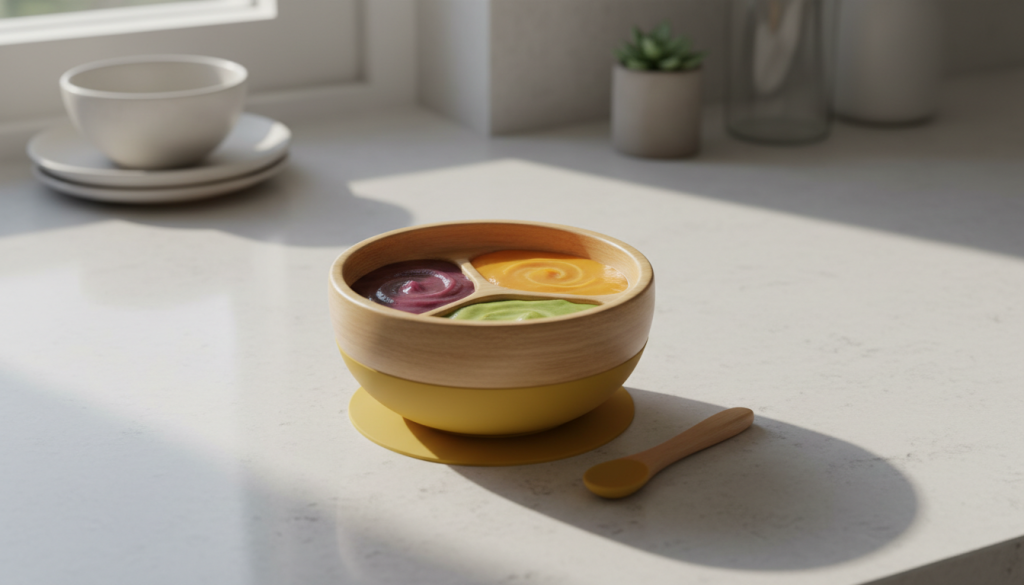
“A high-resolution, lifestyle photograph of a minimalist kitchen counter featuring a stylish baby bamboo bowl with a bright silicone suction base, filled with colorful organic fruit purees, soft natural lighting.”

Why Choose a Baby Bamboo Bowl with Suction for Your Little One?

The primary challenge of baby-led weaning (BLW) is the inevitable “gravity test”—the moment a toddler decides to see what happens when their plate hits the floor. A baby bamboo bowl with suction solves this problem by utilizing a food-grade silicone ring that adheres firmly to highchair trays and dining tables. This allows infants to focus on developing their fine motor skills and self-feeding without the frustration of a sliding dish.

Beyond the suction capability, the material itself is a significant upgrade from plastic. Unlike petroleum-based products, a natural bamboo bowl is free from BPA, phthalates, and lead. Bamboo is naturally antimicrobial and antibacterial, providing a hygienic surface for your child’s meals. When you invest in a baby bamboo bowl with suction, you are choosing a product that prioritizes both your child’s safety and the planet’s health.

The Environmental Impact: Why an Eco Friendly Bamboo Bowl is the Superior Choice

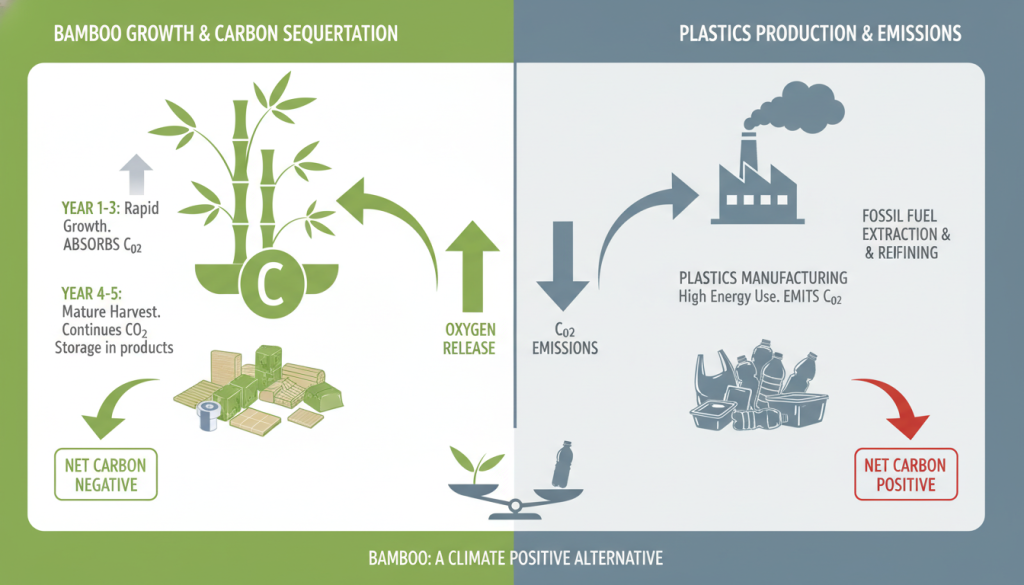
Sustainability is no longer a niche concern; it is a lifestyle requirement for the modern consumer. Choosing an eco friendly bamboo bowl contributes to a circular economy. Bamboo is one of the fastest-growing plants on Earth, requiring no pesticides and very little water to thrive. This makes it a highly renewable resource compared to hardwoods used in traditional furniture or the fossil fuels required for plastic production.

Furthermore, a biodegradable bamboo bowl offers a guilt-free end-of-life cycle. While plastic dinnerware can take hundreds of years to decompose in a landfill, high-quality bamboo products are compostable. By opting for reusable bamboo bowl sets, families significantly reduce their daily plastic footprint, ensuring a cleaner world for the very children using these bowls today.

“An infographic showing the growth cycle of a bamboo plant vs. the production of plastic, highlighting the carbon sequestration benefits of bamboo.”

Beyond the Highchair: Exploring the Bamboo Salad Bowl and Large Bamboo Bowl Varieties

While the baby bamboo bowl with suction is a nursery essential, the utility of bamboo extends to the entire kitchen. A bamboo salad bowl is a staple for those who appreciate organic aesthetics and durability. Because bamboo is lightweight yet stronger than many hardwoods, a large bamboo bowl is perfect for tossing heavy greens or serving family-style pasta dishes.

Many homeowners prefer a bamboo serving bowl for entertaining because of its unique grain patterns and warm tones. Whether you are looking for a bamboo fruit bowl to sit as a centerpiece on your island or a bamboo mixing bowl set for your baking needs, the material’s versatility is unmatched. These items are not just functional; they are decorative pieces that bring a touch of nature into the home.

Craftsmanship Matters: The Difference Between a Spun Bamboo Bowl and Pressed Bamboo

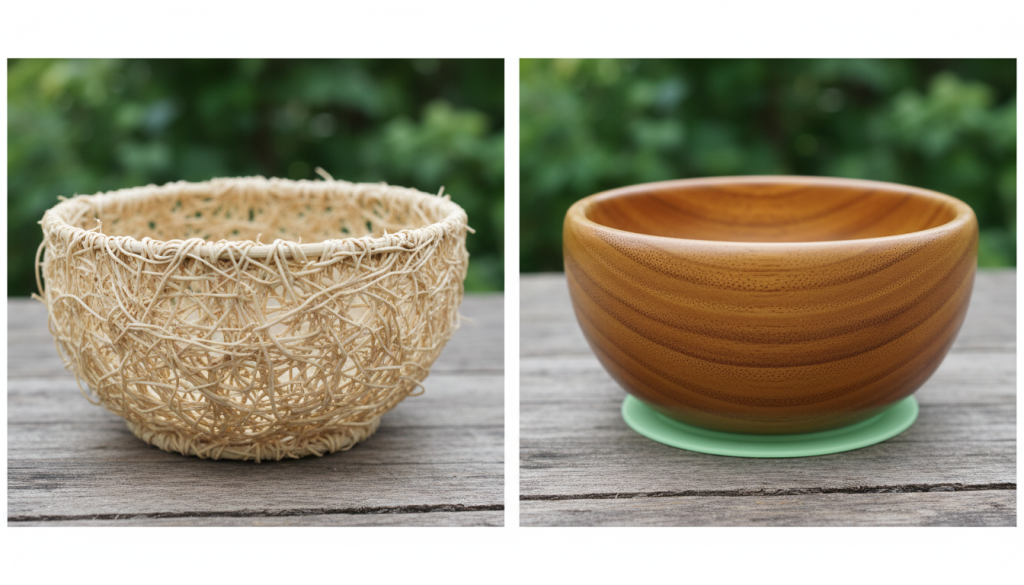
When shopping for bamboo dinnerware, you may encounter the term spun bamboo bowl. This refers to a traditional Vietnamese crafting technique where thin strips of bamboo are coiled and shaped by hand. These bowls are often lightweight and possess a beautiful, artisanal texture. They are frequently used as a bamboo decorative bowl rather than for heavy liquid use, though many are finished with food-safe lacquers.

In contrast, most baby bamboo bowl with suction products are made from “pressed” or “solid” bamboo. This process involves compressing bamboo fibers or slats under high pressure to create a dense, durable material that can withstand the rigors of daily use. Understanding these differences helps you choose the right natural bamboo bowl for your specific needs—whether it’s for a heavy bamboo soup bowl or a delicate bamboo cereal bowl.

“A side-by-side comparison photo showing the intricate texture of a spun bamboo bowl next to the smooth, solid grain of a pressed baby bamboo suction bowl.”

Functional Dining: From Bamboo Cereal Bowls to Bamboo Pasta Bowls

The versatility of bamboo dinnerware means there is a specific shape for every meal. A bamboo cereal bowl is typically designed with deeper sides to prevent spills during breakfast, while a bamboo pasta bowl features a wider, shallower profile to accommodate long noodles and sauces. For those who enjoy Asian cuisine, a bamboo soup bowl provides excellent insulation, keeping your broth warm while remaining cool to the touch on the exterior.

If you are looking to overhaul your kitchen cabinets, a bamboo mixing bowl set is an excellent starting point. These sets often include various sizes, from a large bamboo bowl for bread dough to smaller vessels perfect for whisking dressings. Because bamboo does not react with acidic foods, it is an ideal material for marinating or mixing citrus-heavy salads in a bamboo salad bowl.

Maintenance and Care: How to Keep Your Natural Bamboo Bowl in Pristine Condition

To ensure your baby bamboo bowl with suction and reusable bamboo bowl collection lasts for years, proper care is essential. Bamboo is a natural fiber that can warp or crack if exposed to extreme temperatures or prolonged moisture. Follow these professional tips for maintenance:

  • Hand Wash Only: Never put a natural bamboo bowl in the dishwasher. The high heat and harsh detergents will strip the natural oils and cause the wood to splinter.
  • Avoid the Microwave: Bamboo is not microwave-safe. The rapid heating can cause the moisture within the bamboo fibers to expand, leading to cracks.
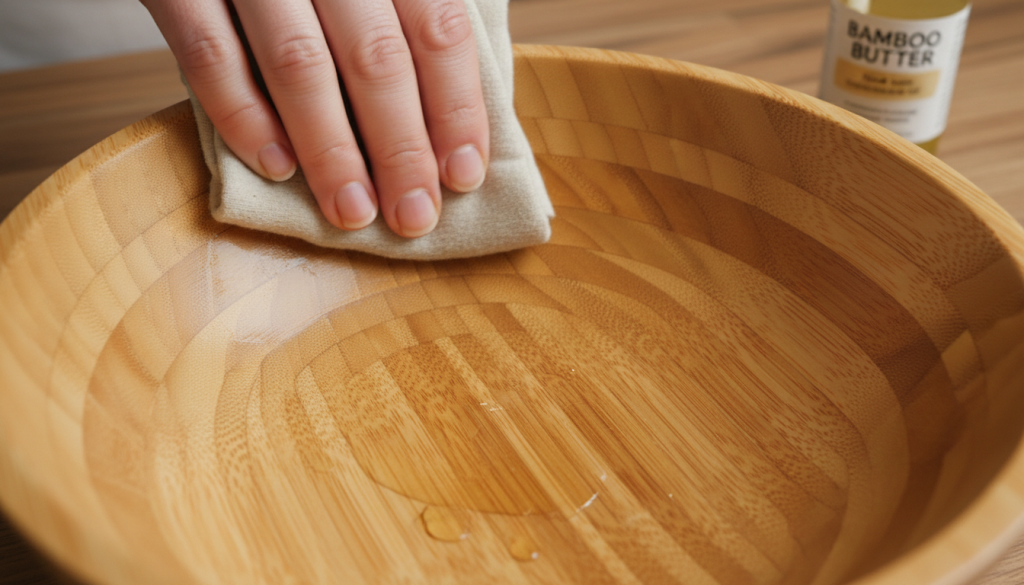
  • Oil Regularly: Just like a wooden cutting board, your bamboo serving bowl benefits from an occasional rub with food-grade mineral oil or beeswax. This keeps the material hydrated and vibrant.
  • Dry Immediately: After washing with mild soap and warm water, wipe your bamboo cereal bowl dry with a clean towel rather than letting it air dry in a rack.
“A close-up, professional shot of a hand applying food-grade oil to a beautiful bamboo bowl, showing the wood grain darkening and becoming rich in color.”

The Gift of Sustainability: Why Bamboo Bowl Sets Make Perfect Gifts

If you are attending a baby shower or a housewarming party, a baby bamboo bowl with suction or a high-end bamboo salad bowl makes for a thoughtful, sophisticated gift. It demonstrates a commitment to health and environmental responsibility. Many brands offer a bamboo mixing bowl set packaged in recycled materials, further emphasizing the eco-friendly message.

For weddings, a large bamboo bowl paired with matching servers is a timeless choice. It fits into almost any kitchen aesthetic, from modern minimalist to rustic farmhouse. Because bamboo is biodegradable and eco friendly, you are giving a gift that is as kind to the earth as it is beautiful to the recipient.

Frequently Asked Questions About Bamboo Bowls

Are bamboo bowls safe for babies?

Yes, a baby bamboo bowl with suction is generally much safer than plastic. It is free from chemical leaching. However, ensure the bowl is made from 100% natural bamboo and uses food-grade silicone for the suction base. Avoid “bamboo fiber” bowls that are mixed with melamine resin, as these are not as heat-stable or eco-friendly.

Can I use a bamboo bowl for hot soup?

A bamboo soup bowl is excellent for hot liquids. Bamboo has natural insulating properties, which helps keep the food warm while preventing the bowl from becoming too hot to hold. Just remember not to use it in the microwave to reheat the soup.

How long does a bamboo bowl last?

With proper care—specifically hand washing and occasional oiling—a reusable bamboo bowl can last for several years. Even a baby bamboo bowl with suction can be used long after the child has outgrown the need for the suction base, simply by removing the silicone ring.

Is bamboo better than wood for bowls?

Bamboo is often preferred over traditional wood because it is more sustainable (growing faster) and is naturally more resistant to water and bacteria. A natural bamboo bowl is also typically lighter than an equivalent bowl made from oak or walnut, making it easier for children to handle.

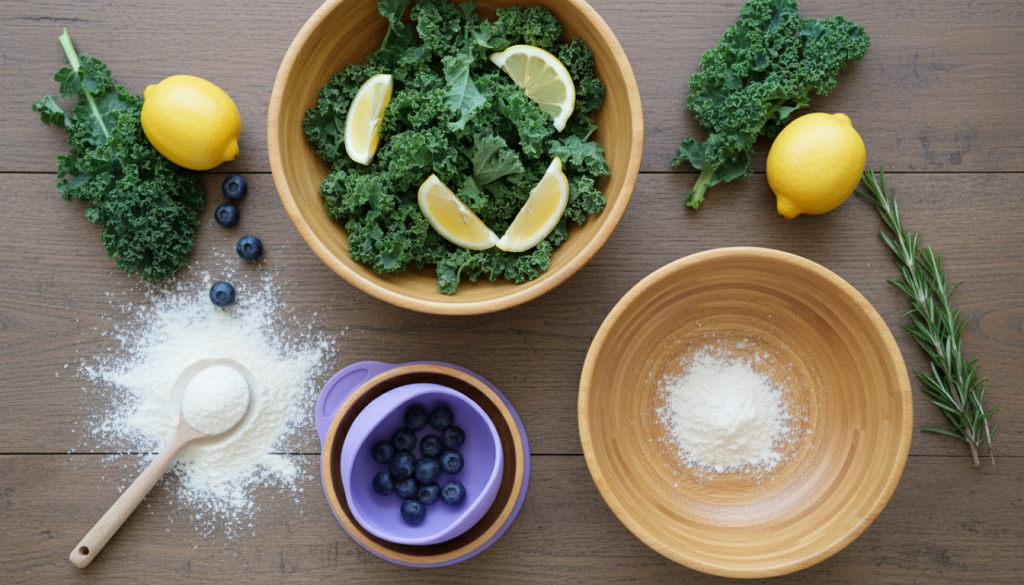
“A flat-lay composition of various bamboo bowls—a salad bowl, a baby suction bowl, and a mixing bowl—on a rustic wooden table, surrounded by fresh ingredients like kale, lemons, and flour.”

Conclusion: Embracing the Bamboo Revolution

The transition to a baby bamboo bowl with suction is more than just a trend; it is a conscious choice to move away from the “disposable” culture of plastic. Whether you are looking for a large bamboo bowl for family gatherings, a bamboo fruit bowl for your counter, or a biodegradable bamboo bowl for your toddler’s first bites, bamboo offers a unique blend of durability, safety, and elegance.

By integrating eco friendly bamboo bowl options into your home, you are supporting sustainable agriculture and protecting your family from potentially harmful chemicals. From the spun bamboo bowl crafted by artisans to the high-tech suction bases of modern baby gear, bamboo is truly the material of the future for the heart of the home: the kitchen.